
Design Process & Systems
A snapshot of how I design at scale. From leveraging design systems and shared libraries to ensure consistency, to delivering developer-ready specs with clear annotations (including A11Y). I also bring ideas to life through branding, turning concepts into polished, final designs.
My Role
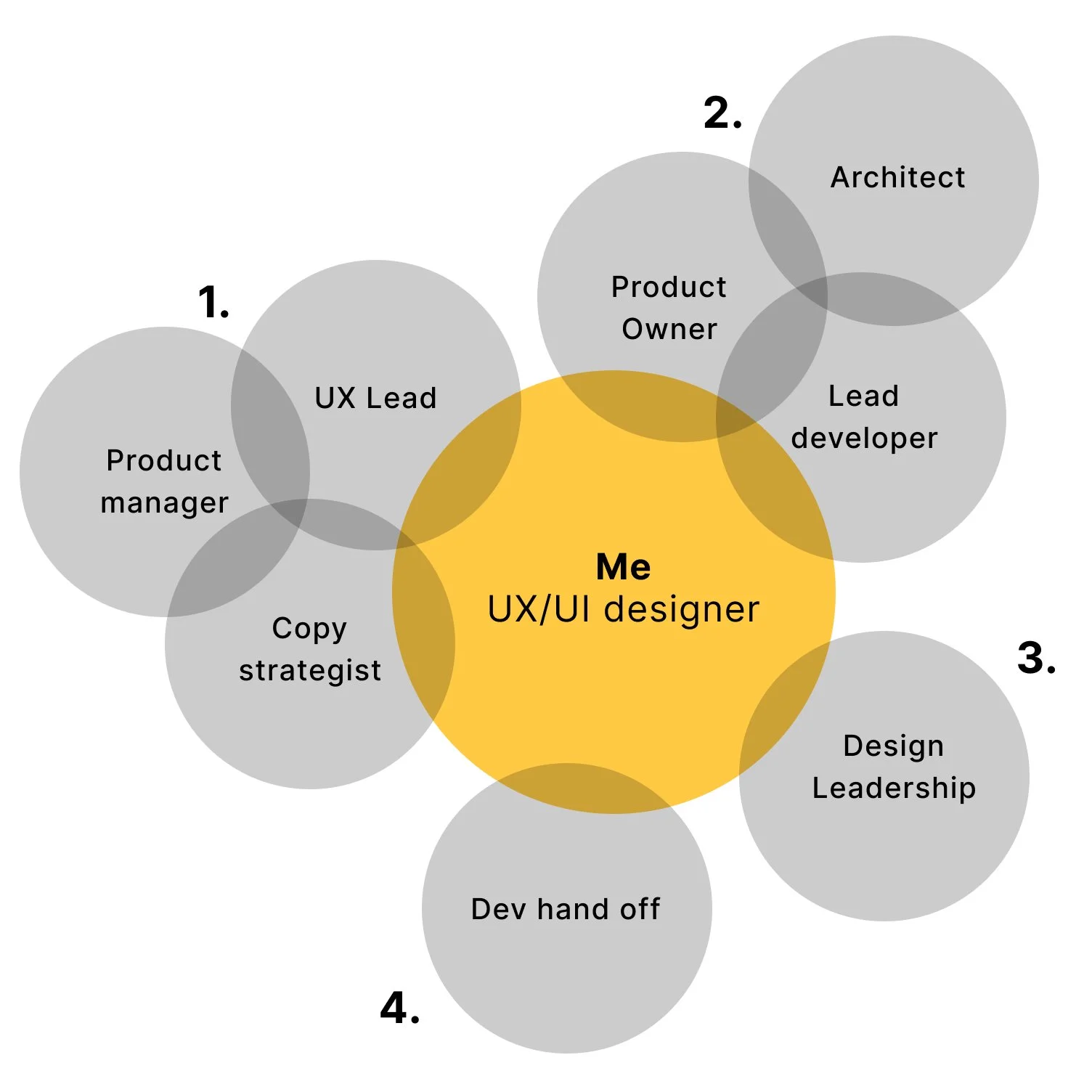
Successful products are built through collaboration. I partner with cross-functional teams from discovery through developer handoff, ensuring user needs, business goals, and technical requirements stay aligned. The example below illustrates my role within the CVS Caregiving experience.
Identify Opportunities
Reviewed product metrics and partnered with the Product Manager, UX Lead, and Copy Strategist to identify opportunities, validate user needs, and raise early usability and technical considerations.Validate Feasibility
Collaborated with the Product Owner, Architect, and Lead Developer to resolve open questions, align on technical constraints, and confirm implementation feasibility.Present Design Solutions
Explored multiple design concepts aligned with branding, accessibility, and the design system. Presented recommendations to design leadership and cross-functional stakeholders for feedback and approval.Finalize & Handoff
Delivered production-ready Figma files with annotations, accessibility specifications, user flows, and assets to support accurate engineering implementation.
Working Within Established Design Systems
When joining a new team or project, I begin by reviewing the established UI kit to understand existing patterns, component behavior, and design standards. This helps me work within the system while identifying opportunities to improve consistency and scalability.
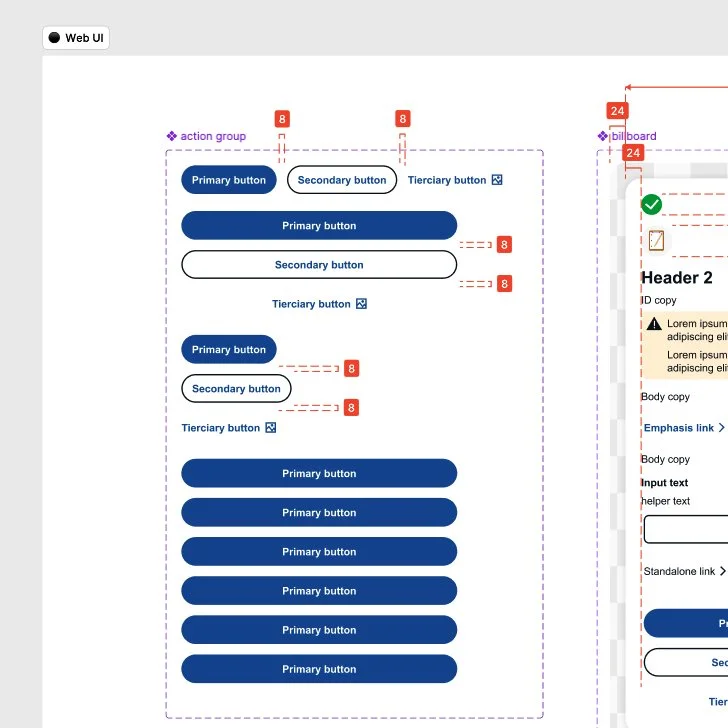
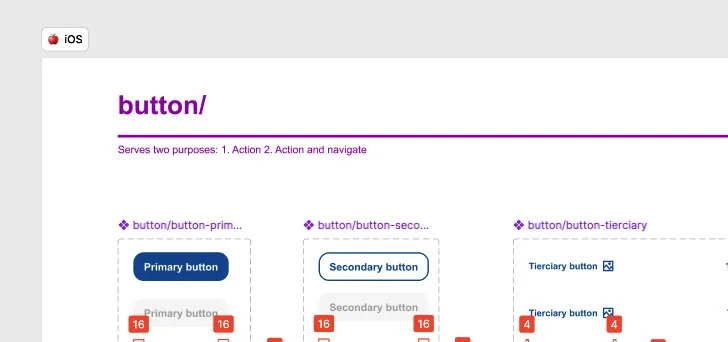
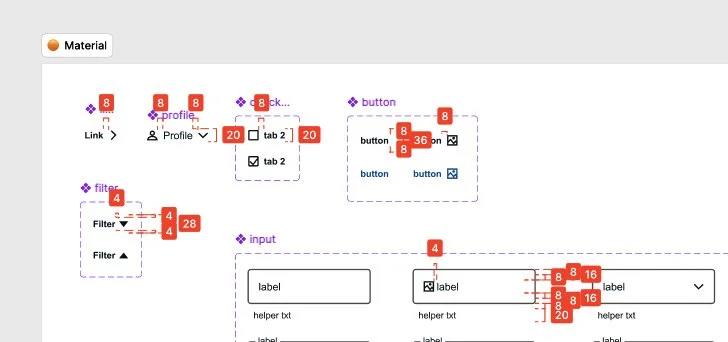
I design at scale by leveraging structured design systems and shared libraries. I build reusable components across Web, iOS, and Material, simplifying complex variations into intuitive controls like toggles and dropdowns—making them easy for teams to use and scale.
These components are designed with development in mind, aligning with Angular, React, Next.js, and other component-based frameworks. Each component includes key interaction states—default, hover, pressed, and disabled—to support consistent, production-ready implementation.
Structure & Naming
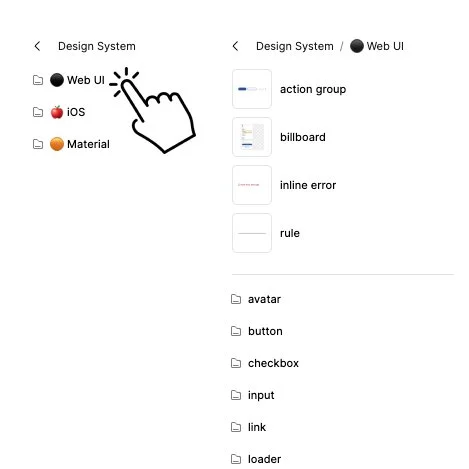
I organize libraries with clear naming conventions and logical grouping. Nested components and consistent structure make it easy for designers to quickly find, drag, and apply the right elements. Reducing friction and improving speed.
Developer Handoff
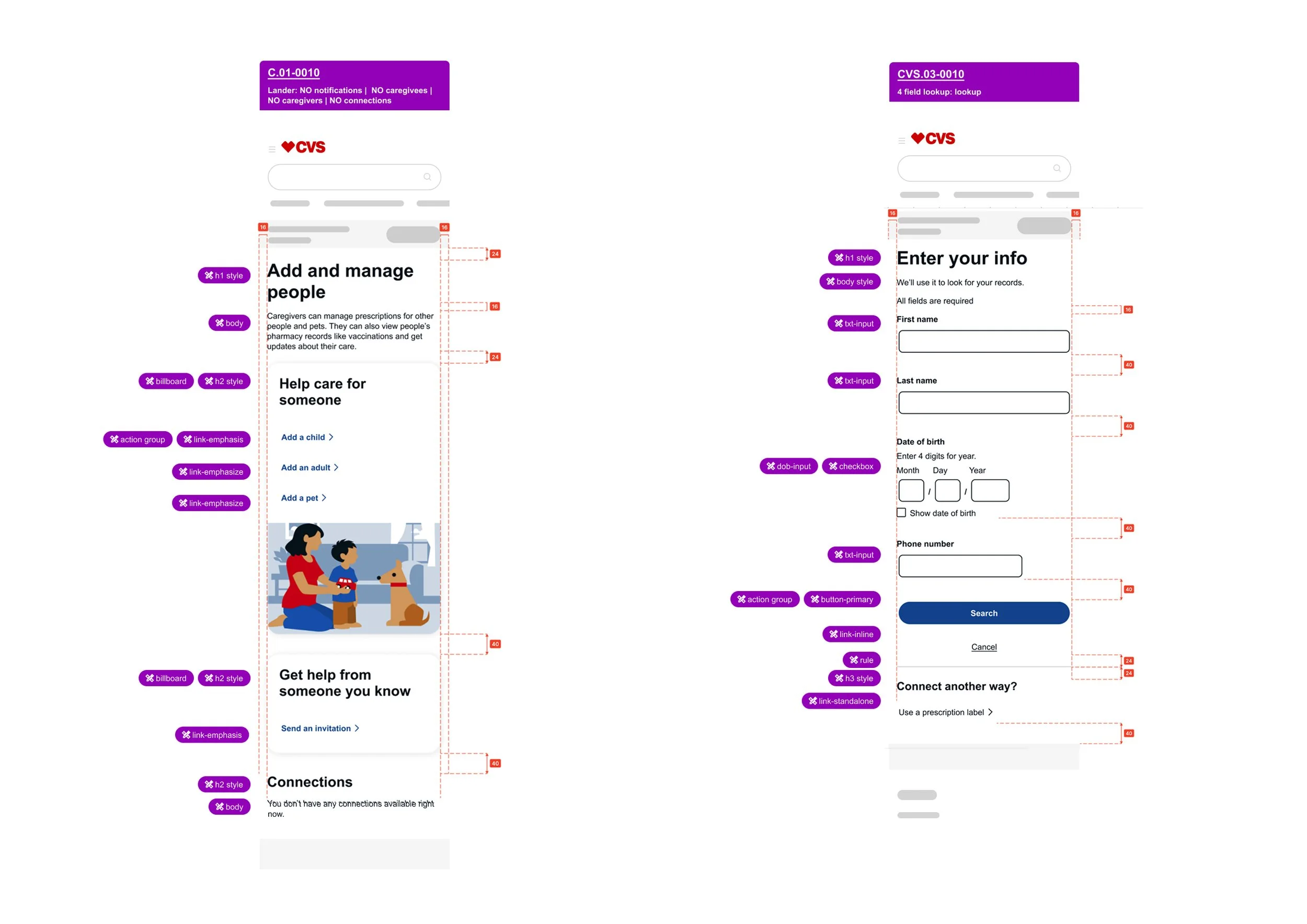
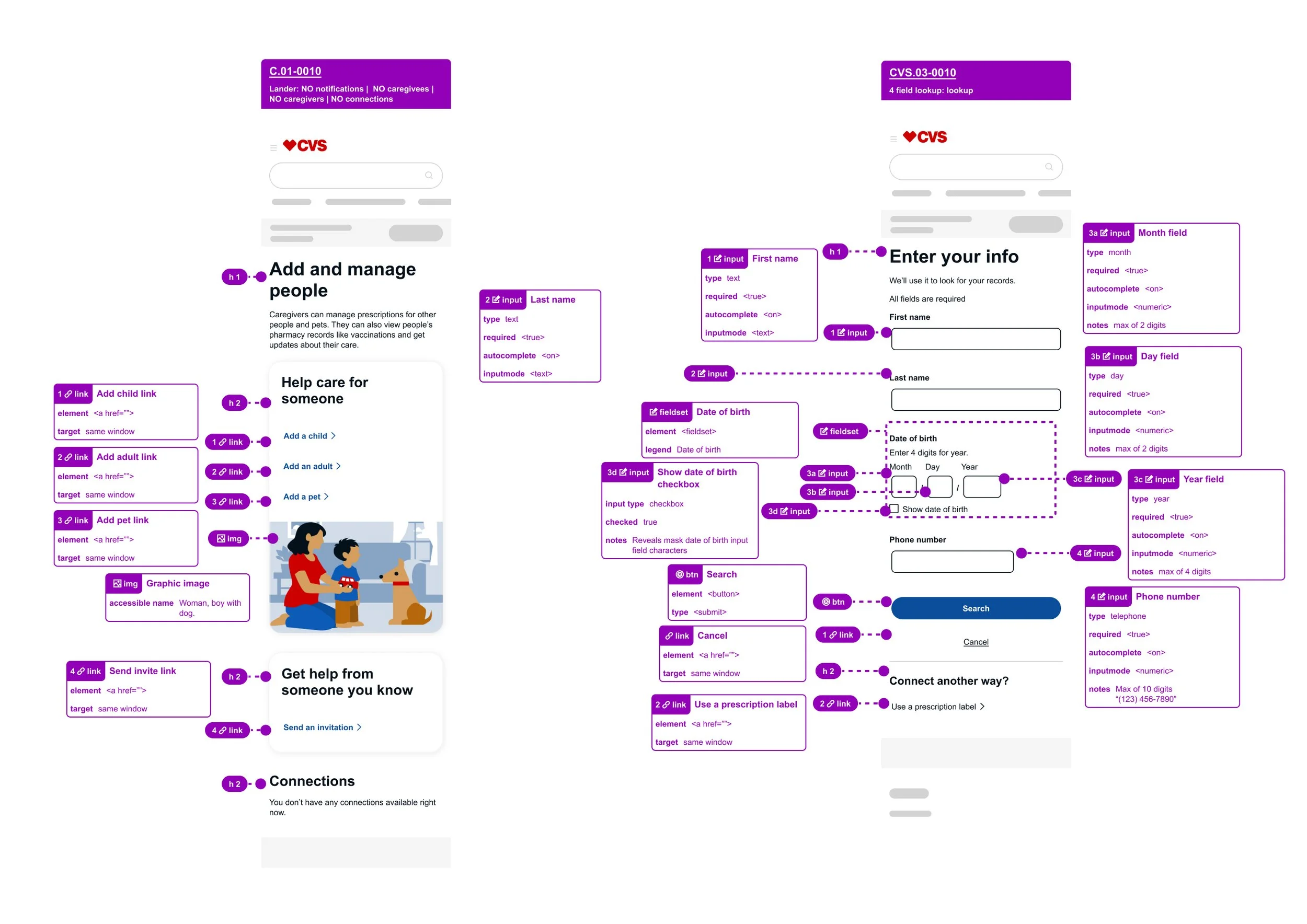
I deliver clean, developer-ready handoffs with clarity and precision. Every detail is documented to reduce ambiguity, align teams, and ensure accurate implementation.
Design annotations
Specify UI components, patterns, and spacing using the design system
A11Y annotations
Define roles and behaviors (buttons, links, inputs), required fields, keyboard types, semantic structure (e.g., H1), and accessible naming for images
Error Management
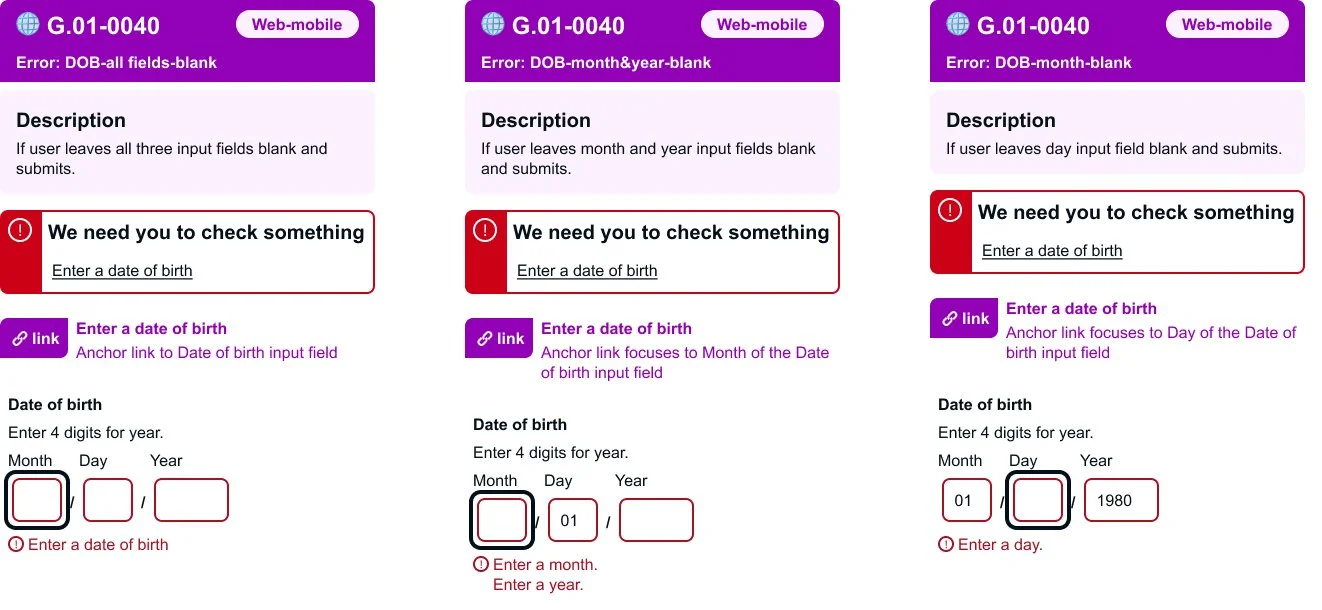
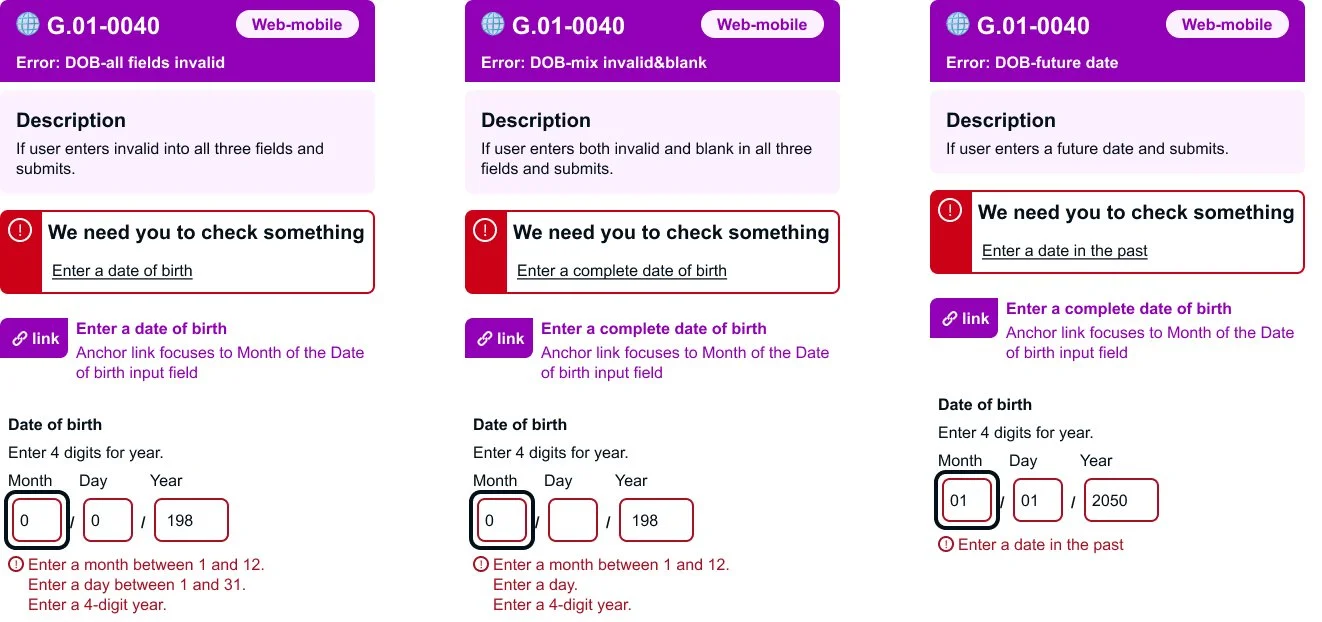
I created a centralized error catalog for input-related states to drive consistency across products and teams. Maintained as a shared Figma library, it aligns teams on standardized labels, descriptions, actions, and associated input fields.
This system reduces ambiguity, improves accountability, and minimizes developer confusion across CVS Health.
Assets
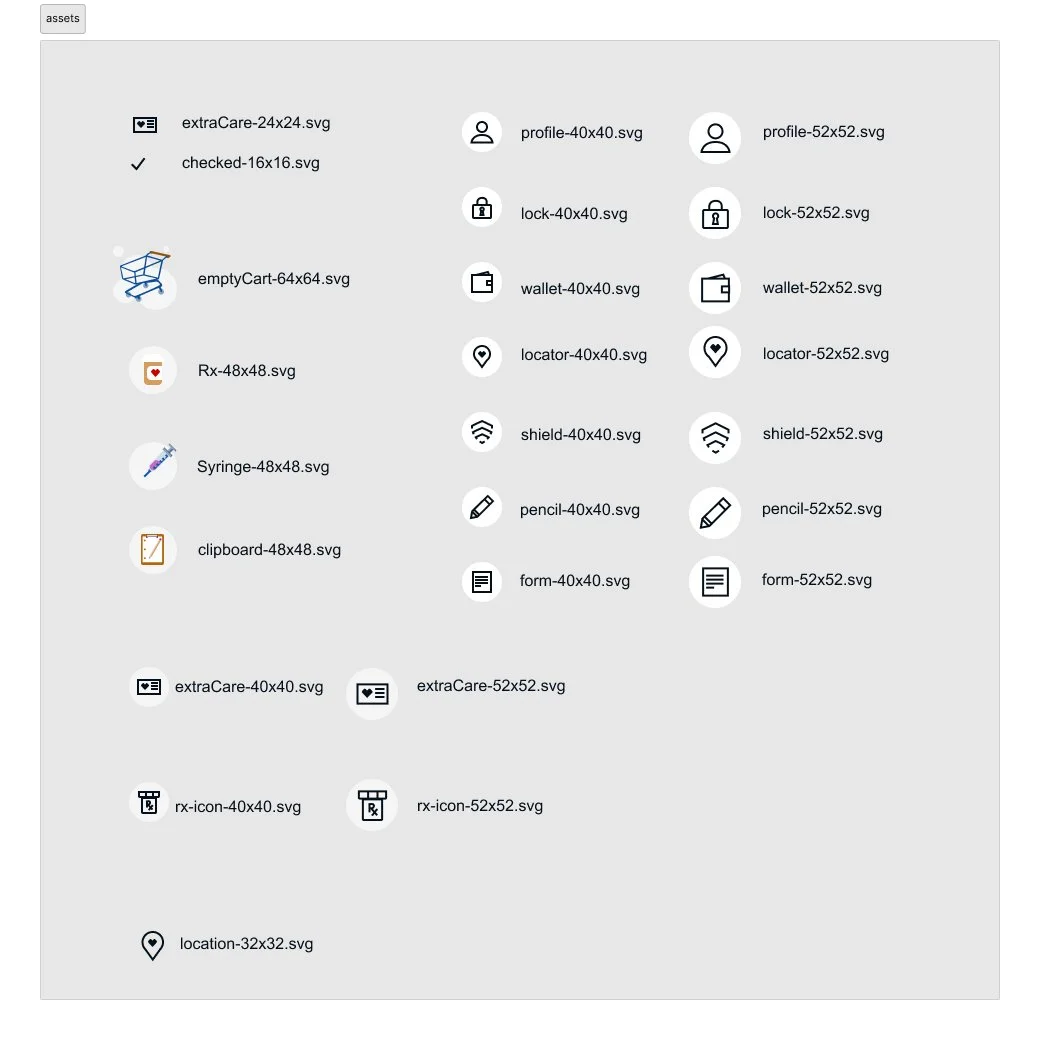
I provide all necessary assets in the correct formats and ensure they follow established naming conventions for clear developer handoff and organization. For web integrations, vector assets are delivered as SVGs to preserve visual quality while maintaining optimized file sizes and performance.
Visual Design
Logos
From the pharmaceutical industry to small businesses, I create refined logo designs through thoughtful exploration and iteration. Each concept evolves through multiple rounds of refinement—balancing brand identity, visual clarity, and scalability to arrive at a polished final mark.






Illustrations
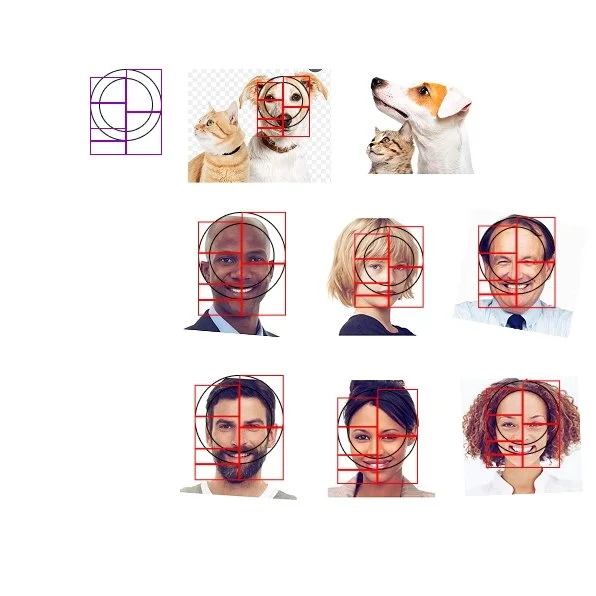
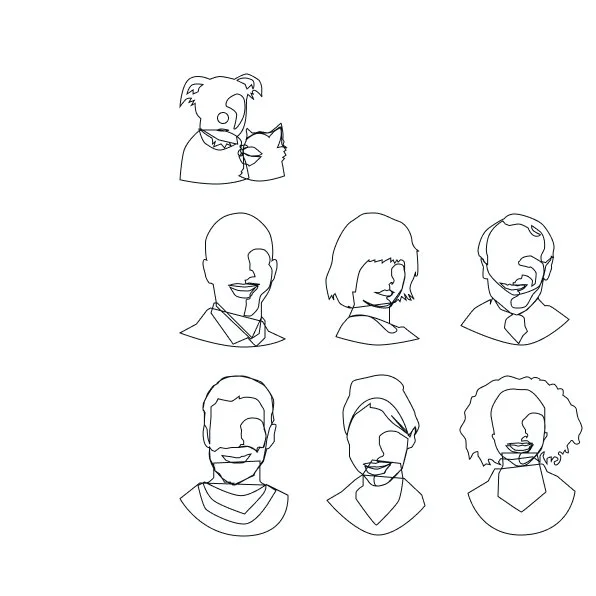
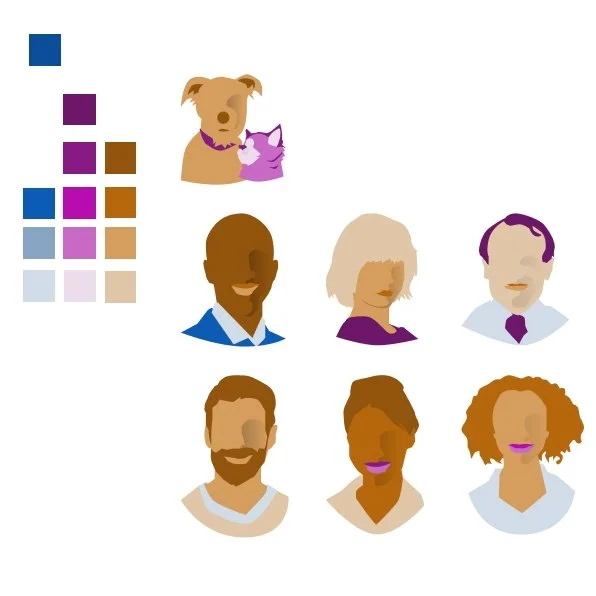
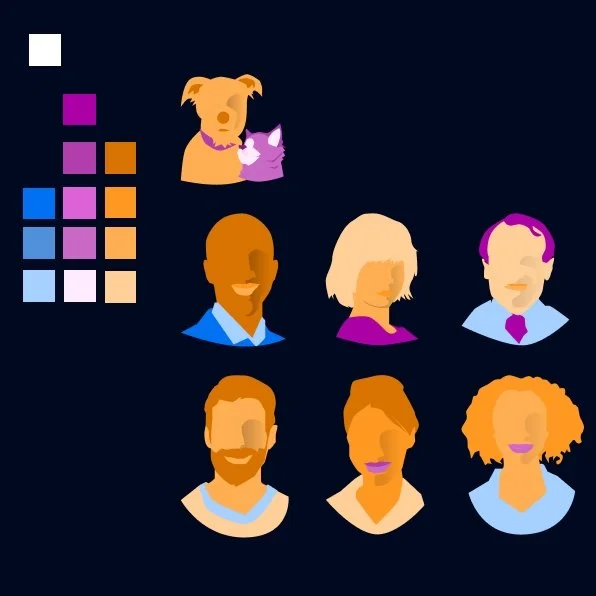
I create abstract illustrated portraits that capture culture, expression, and personality without becoming overly specific. Using the Fibonacci sequence as a proportional guide, I build faces that feel balanced while still allowing room for stylized interpretation.
This section shows my step-by-step process—from mapping the original photo with Fibonacci-based proportions, to outlining the illustration, to applying a color palette that works across both light and dark modes.
Quisque iaculis facilisis lacinia. Mauris euismod pellentesque tellus sit amet mollis.